
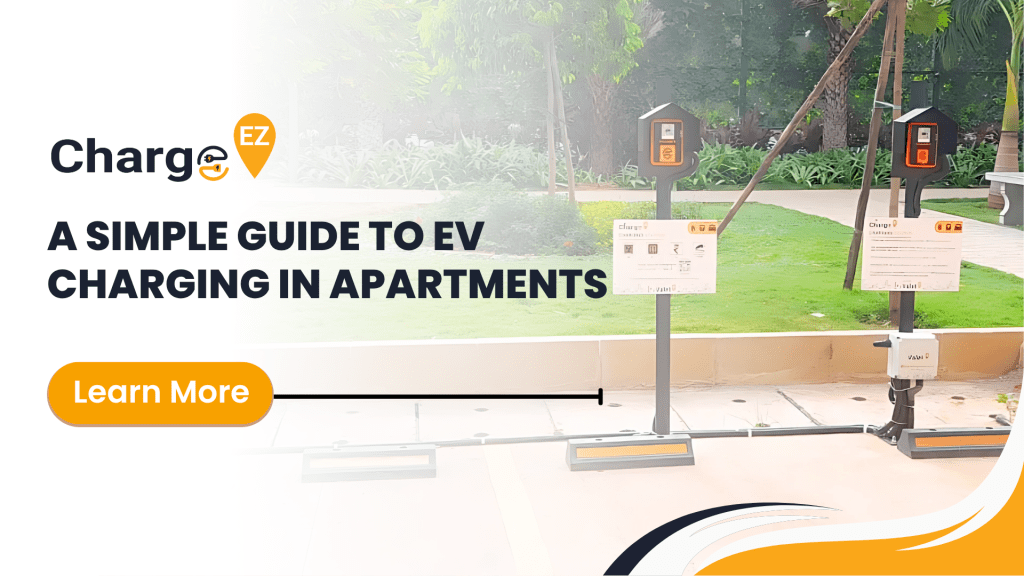
Making Your Apartment Future Ready for EVs
EV adoption is on the rise, with more people switching to electric vehicles for everyday commuting and long-term sustainability. But while personal choices are changing fast, residential societies have been slower to catch up. Most apartment complexes still lack the infrastructure needed to support EV charging, leaving residents with limited or unsafe options. With outdated parking layouts and no clear setup for chargers, this gap is becoming more visible—and frustrating—by the day.
It’s time for residential communities to power up and prepare for the EV shift that’s well underway. As India works towards its 2030 goals for electrification, setting up the right charging infrastructure at the housing level becomes critical. A well-planned, resident-first approach can make all the difference. Here we break down the key challenges and practical solutions for creating EV-ready communities.
Ways to Make Societies EV Ready
1. EV Owners Struggle with Charging in Apartments
Many residential societies are still trying to catch up with the EV trend. With more people switching to electric vehicles, not having charging points at home is becoming a real headache. Public stations might help sometimes, but they’re nowhere near practical for daily use.
- Most apartment layouts weren’t designed with EVs in mind, so charging options are usually missing.
- Many residents end up using extension cords or unsafe setups just to make it work.
- Unless there’s real demand, builders usually don’t include EV charging as a standard feature.
2. Why One Charger Isn’t Enough in Residential Societies
For most EV users, night is the ideal time to charge—but residential setups rarely make that easy. With limited chargers and no clear system in place, it’s common to wake up and find your vehicle still waiting its turn. It’s a growing issue that’s only going to get worse if not addressed.
- EV owners often end up planning their day around when the charger’s free, rather than when it’s convenient.
- When multiple residents have to share a single charger, it naturally leads to delays and friction.
- Having more than one charger—and a simple booking or queuing system—can make the whole process smoother for everyone.
3. The Role of RWAs in Building EV-Ready Communities
Resident Welfare Associations play a key role in making societies future-ready—especially when it comes to EV charging. Many hold back due to policy gaps or technical concerns, but this shift is no longer optional. With more residents going electric, it’s time to act and enable EV-friendly infrastructure.
- RWAs play a huge role in enabling EV adoption—without their support, it’s tough for residents to get chargers installed at all.
- Instead of seeing EV charging as just another personal request, it’s time to treat it like an essential amenity, just like water or power backup.
- Concerns around electricity load and billing are valid—but with the right setup, they can be easily managed and even turned into a well-organized, long-term investment for the community.
4. Space Allocation Planning for EV Chargers
Starting small can go a long way when it comes to EV readiness in residential societies. Even allocating just 5% of parking spots for EV charging—something that’s been recommended in various urban planning guidelines—is a great first step.
- Societies can rotate EV slots among residents at first, and once adoption picks up, move toward dedicated slots—this flexible approach is already being encouraged in housing policies by city planning bodies in cities like Delhi and Pune.
- With even a few chargers in place, RWAs can gather real usage data and resident feedback, which helps in planning future upgrades more efficiently and avoiding overinvestment or underuse.
5. AC vs DC Charging: What Works Best at Home?
There’s a misconception about faster being better—but that’s not true for residential EV charging. Fast DC chargers may damage batteries over time if used daily. For home setups, AC chargers are safer, easier on the battery, and perfect for overnight top-ups.
- 3.3 kWh AC chargers are ideal for two-wheelers and smaller EVs.
- 7.2 kWh chargers comfortably power four-wheelers within a few hours.
- AC chargers are not just easier on your battery—they’re also more affordable to install and don’t require major electrical upgrades.
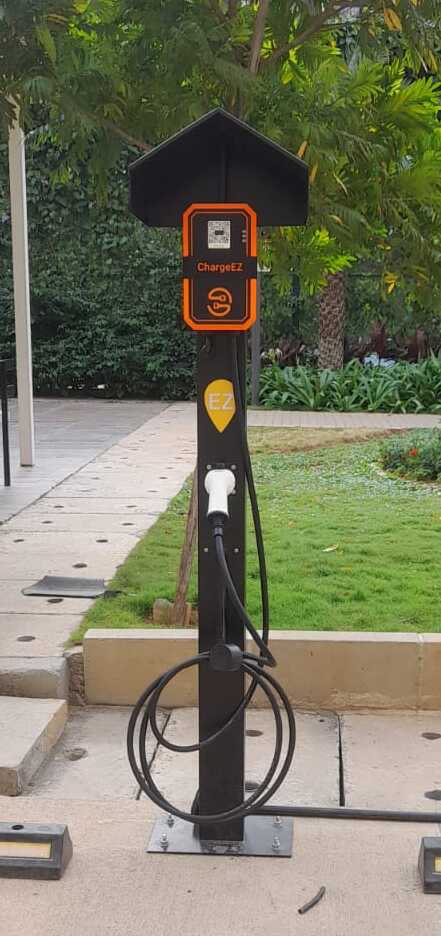
- ChargeEZ is equipped with a variety of AC chargers such 1.1 Kwh, 3.3 Kwh and 7.2 Kwh.
6. ChargeEZ Leads the Way in Residential EV Charging Across Bangalore
ChargeEZ is one of the leading players in the residential EV charging space, already making EV adoption easier. With solutions installed in over 100 properties, they’re helping societies—big and small—become EV-ready without the usual complexity.
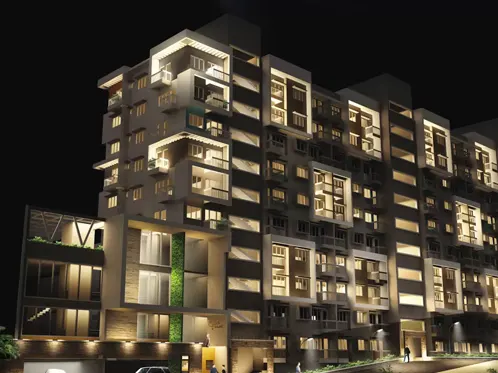
- At Vaswani Brentwood, ChargeEZ has installed a mix of 1.1, 3.3, and 7.2 kWh chargers to meet different types of EV needs within the community.
- MJR Platina is equipped with 8 ChargeEZ chargers, thoughtfully planned to suit daily use and growing demand from residents.
- All ChargeEZ setups are built with smart access systems and smooth integration.
Conclusion - The Next Step for EV-Ready Homes
As residential communities slowly move toward becoming EV-friendly, solutions like ChargeEZ are helping fill the gaps with flexible, apartment-ready charging setups. From simple access systems to scalable charger types, these solutions make it easier for both RWAs and residents to adopt EVs with confidence. The future of residential EV charging is no longer a distant idea—it’s actively being built.
For residents and visitors alike, having accessible, well-managed EV charging brings more than just convenience—it brings peace of mind. When charging becomes part of your home’s ecosystem, electric mobility feels truly effortless. And as more societies make the shift, this ease will become a standard everyone can count on.